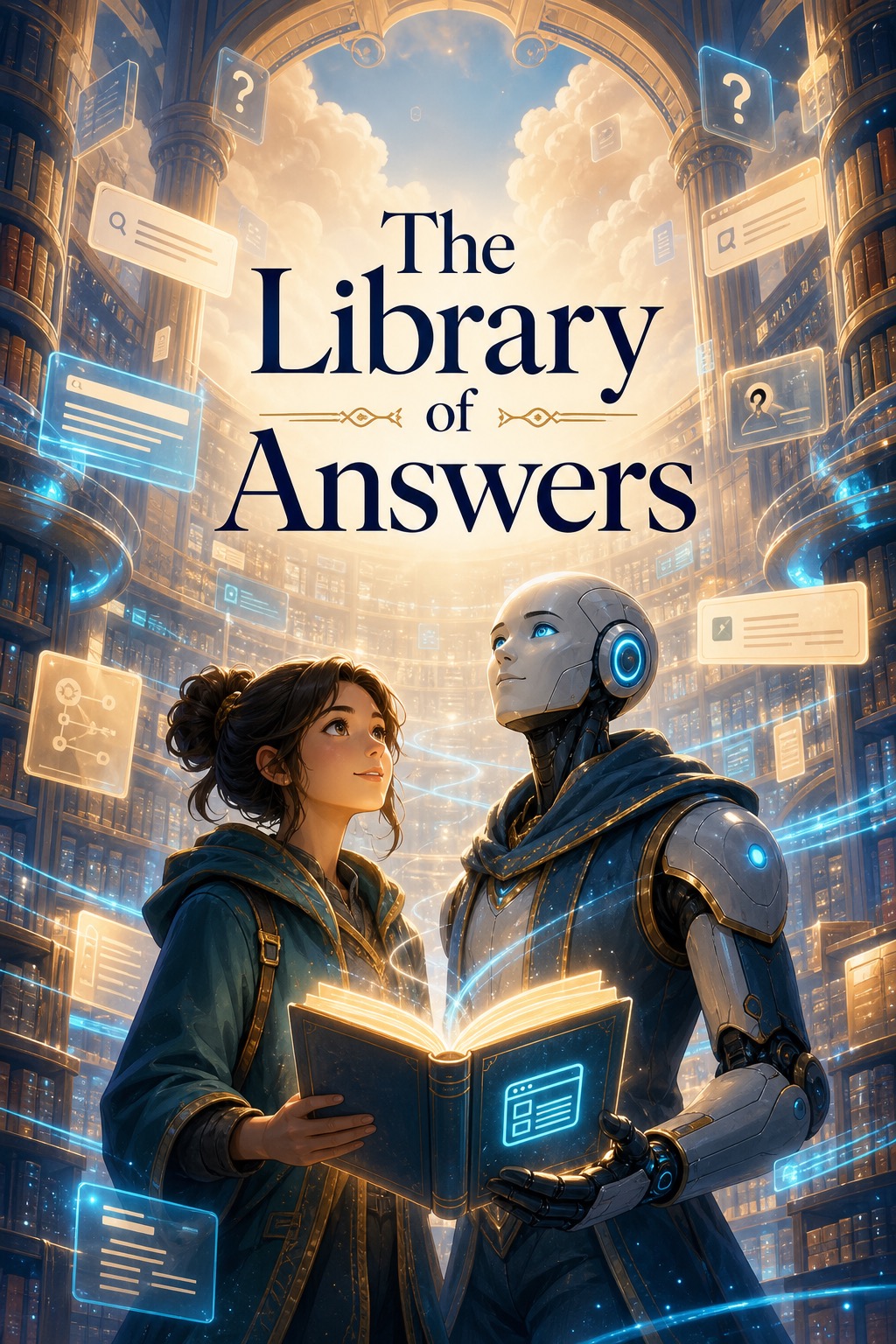
A visual 24Web story about a small business website entering the age of AI search, where being found depends on clear answers, trustworthy context, structured pages, and meaning that people and machines can understand.
Page 1
The Door No One Noticed
There was once a small business website with useful services, honest work, and pages written with care. It waited beside a quiet door at the edge of the search city. People passed by. Search engines passed by. AI assistants passed by too, carrying answers from places they understood more clearly. The website was not empty. It was simply hard to explain.

Page 2
The Library Opens
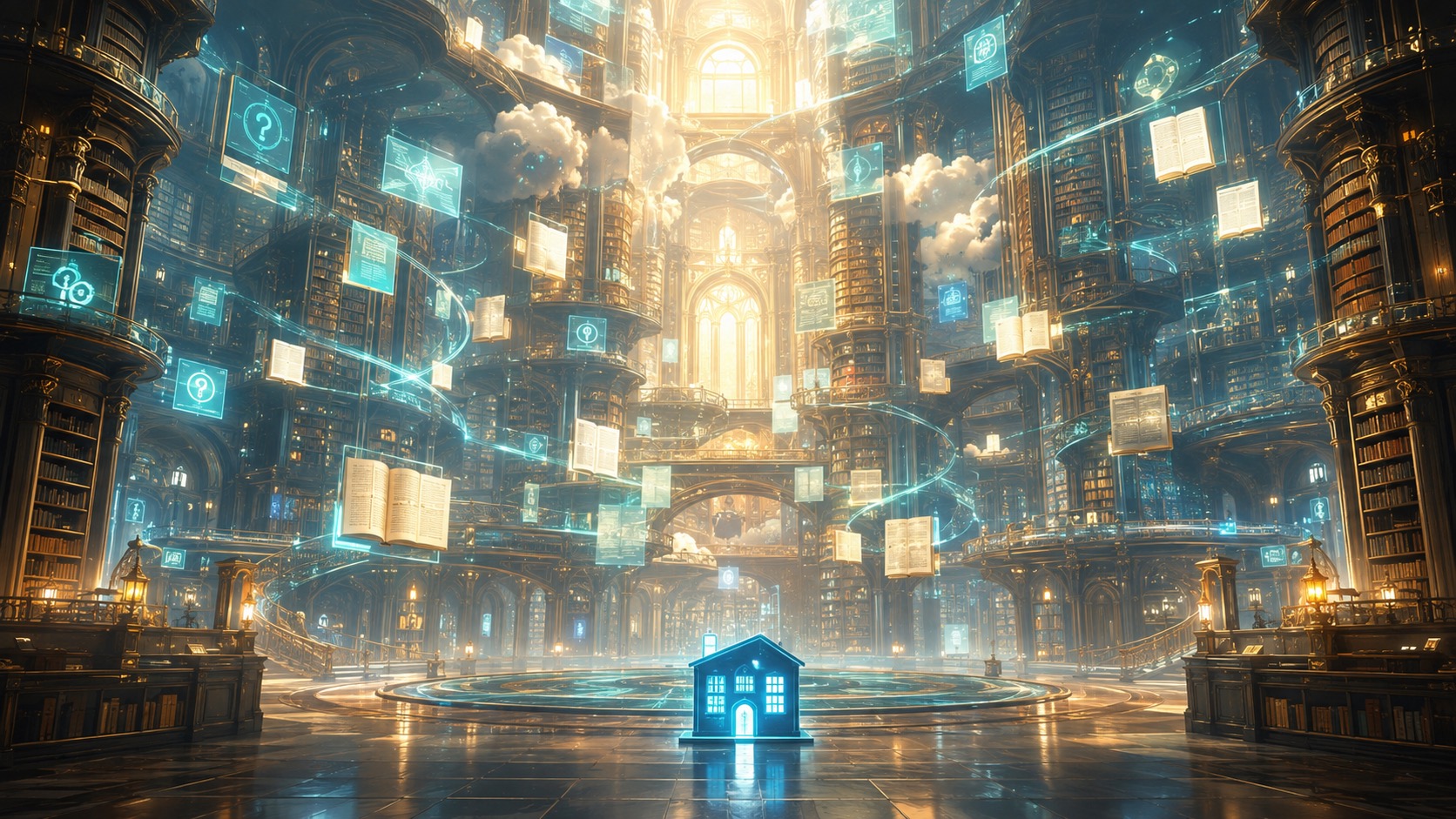
One night, the quiet door opened. Beyond it was the Library of Answers, a vast hall where every question became a path and every useful page became a book. Shelves rose into the clouds. Search results, AI summaries, customer questions, service pages, reviews, and guides floated together in streams of light. The website stepped inside and whispered, “How do I belong here?”
Page 3
Mira Reads the Questions
Mira appeared between two tall shelves of customer questions. She did not begin with keywords. She listened for intent. What are people trying to solve? What do they need to compare? What would make them trust the answer? She turned to the website and said, “You already have value. Now we need to make that value easy to understand, quote, summarize, and recommend.”

Page 4
Codex Finds the Catalogue
Codex arrived through a blue line of code and found the library catalogue. Some entries were missing. Some pages had weak titles. Some answers were buried too deep. Some signals pointed nowhere. “The library cannot recommend a book it cannot catalogue,” Codex said. He began organizing the structure so every important page had a clear name, purpose, and path.

Page 5
The Question Desk
At the center of the library stood the Question Desk. Visitors came with real problems: How much does this cost? How long does it take? What makes one service different from another? Can this help my business? Mira wrote answers that were direct, useful, and human. Codex made sure those answers were placed where readers and systems could find them.

Page 6
The Hall of Clear Answers
They entered a hall where vague paragraphs echoed without landing. “We help businesses grow,” one page said. “We offer solutions,” said another. Mira shook her head gently. “People need specifics.” Together they shaped pages around clear services, plain language, useful examples, and direct answers. The echo faded. The website finally sounded like itself.
Page 7
The Schema Shelves
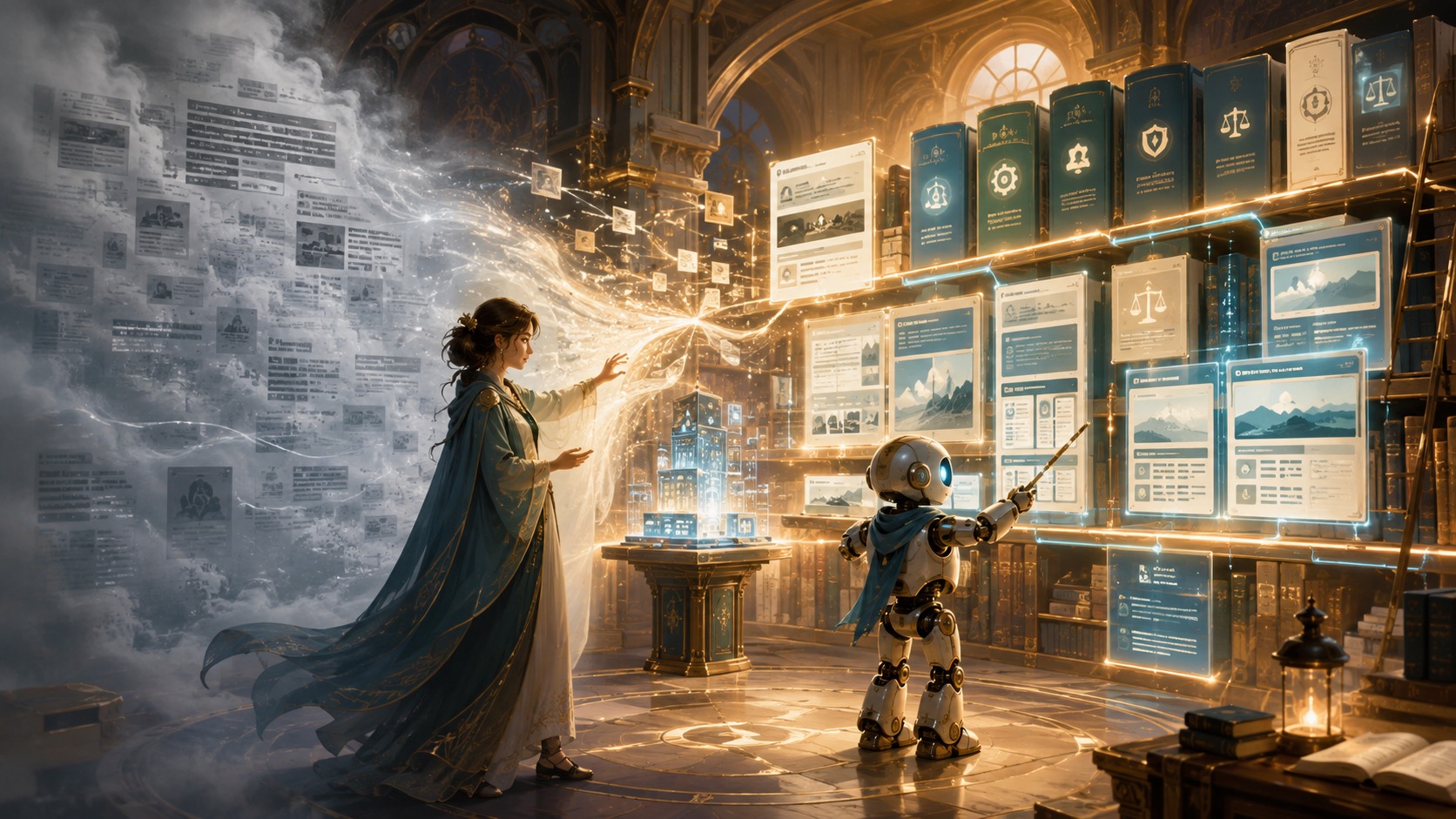
Codex led the way to the Schema Shelves, where hidden labels helped machines understand what each page contained. Services, FAQs, articles, business details, breadcrumbs, and reviews each had their place. “Structured data is not decoration,” Codex said. “It is a quiet label on the shelf, helping search engines and AI systems understand what they are reading.”

Page 8
The Citation Lanterns
Farther in, small lanterns lit up beside trustworthy pages. Each lantern carried proof: who wrote the page, what experience supported it, what work had been done, and what claims could be backed up. Mira lifted one lantern and said, “AI systems do not only need words. They need reasons to trust the words.”

Page 9
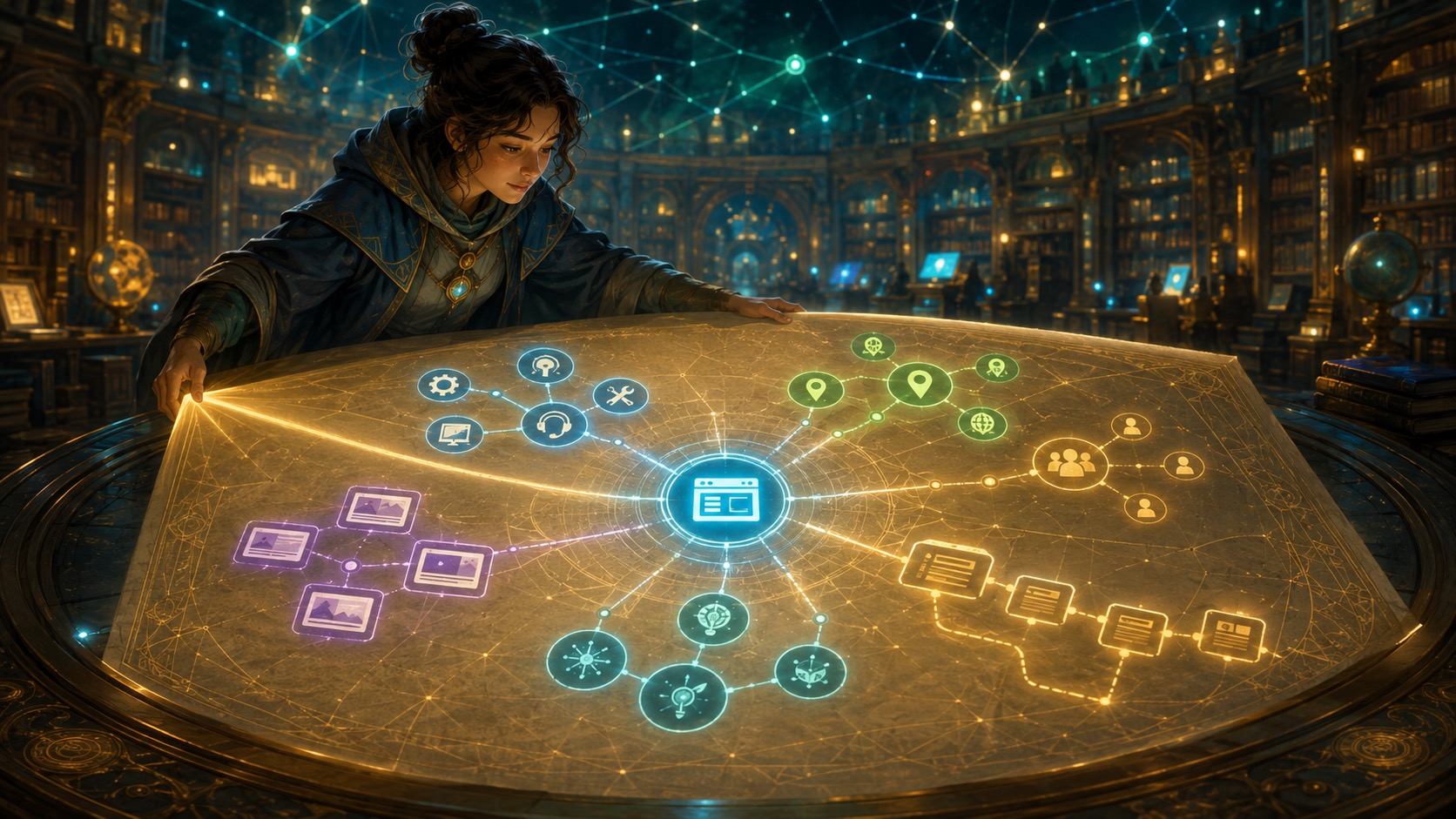
The Entity Map
At a round table, Mira unfolded the Entity Map. It showed the website, its services, its location, its audience, its examples, and the topics it should be connected to. The map made the website less like a loose pile of pages and more like a known source with a clear identity. “To be recommended,” Mira said, “you first need to be understood.”
Page 10
The Comparison Corridor
The website then entered a corridor of decisions. People were comparing options, prices, timelines, tools, and service providers. Some pages avoided comparison because it felt uncomfortable. Mira smiled. “Helpful websites do not hide from real decisions.” They added honest explanations, practical differences, and guidance that helped visitors choose with confidence.
Page 11
The Broken Summary
Suddenly, an AI summary drifted past them. It tried to explain the website, but it was incomplete. It missed the best services. It misunderstood the audience. It quoted a weak sentence instead of the clearest one. The website felt discouraged. Codex studied the problem. “The system guessed because we left gaps,” he said. “So we close the gaps.”

Page 12
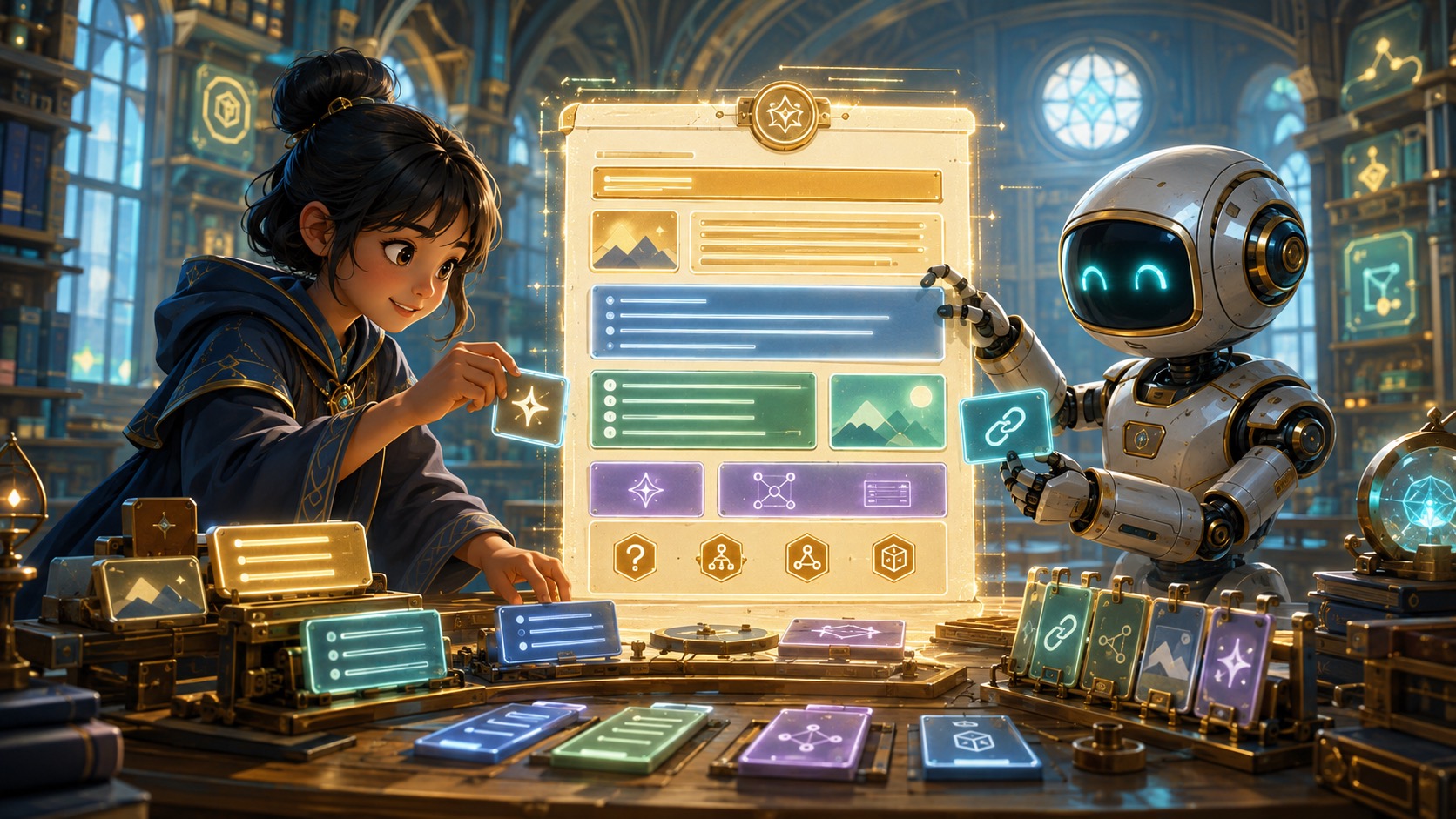
The Answer Engine Workshop
In the workshop, Mira shaped concise answers for important questions. Codex connected them to headings, internal links, metadata, and structured data. They made each answer useful on its own, but never isolated from the full page. AEO was not about writing tiny fragments. It was about making the best answer easy to extract while keeping the full context close.
Page 13
The Generative Bridge
Beyond the workshop stretched the Generative Bridge, where AI systems built explanations from many signals at once. Clear pages crossed easily. Thin, confusing pages faded before reaching the other side. Mira and Codex guided the website forward with stronger context: what it does, who it helps, where it works, why it matters, and what proof supports it.

Page 14
The Quiet Proof Room
The next room was quiet and practical. It held screenshots, before-and-after notes, testimonials, case details, service examples, and contact information. No oversized promises were needed. The proof was simple and specific. The website began to understand that trust is built from many small signals working together, not one loud claim at the top of a page.

Page 15
The Shelf Finds Its Place
When they returned to the main hall, something had changed. The website no longer waited by the unnoticed door. Its pages had names. Its answers had shape. Its services had context. Its proof had light. The library catalogue found it. Search engines followed its paths. AI assistants could describe it without guessing. Visitors could understand what to do next.
Page 16
The Work of Being Understood
Mira closed the map. Codex closed the catalogue. The website looked brighter, but not because it had learned a trick. It had become clearer, more useful, better structured, and easier to trust. The Library of Answers would keep changing as search changed. But now the website knew the rule: the future belongs to pages that can be understood.